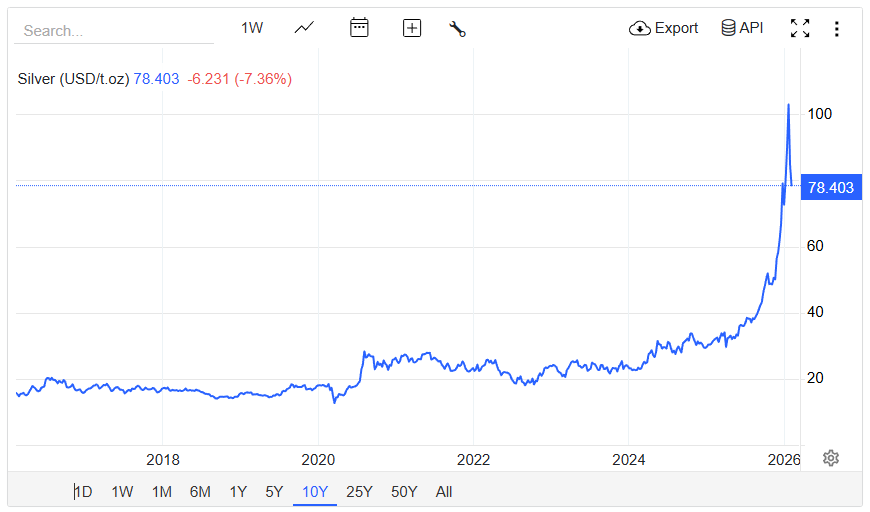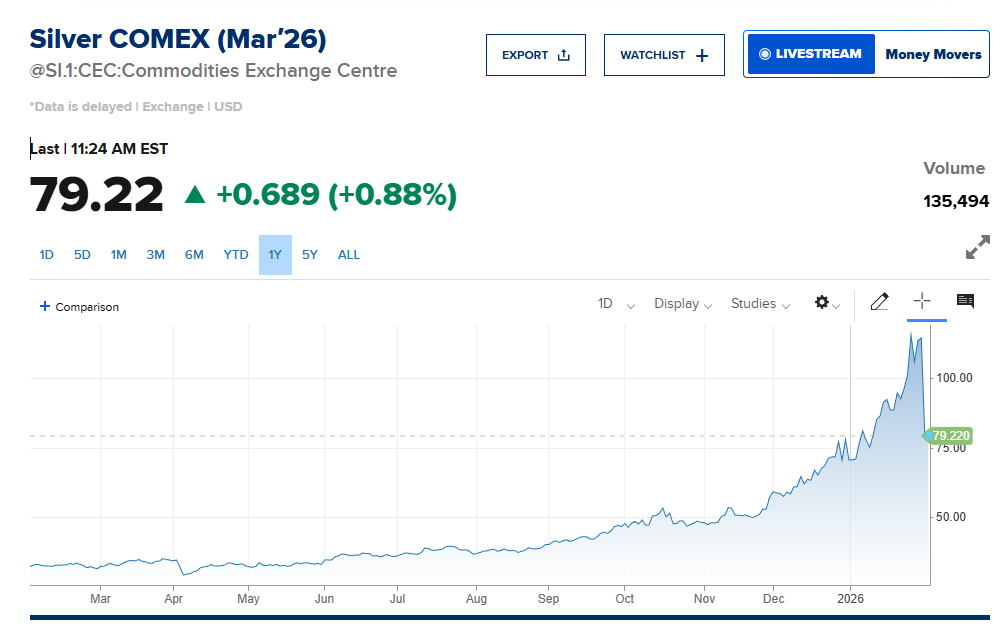
Silver didn’t just drop. It imploded. In a single session, the price collapsed by more than $47, triggering a wave of forced liquidations across retail investors, wholesale networks, and ETFs. I joined Nobody Special to unpack the chain of events and explain why this wasn’t just another dip—it was something far more serious.
This was not a routine selloff. Instead, it marked a structural failure fueled by reckless leverage. Silver traded more like a speculative tech stock than a historic store of value. Margin calls spread rapidly through Chinese markets, while algorithmic funds in the U.S. accelerated the decline by targeting stop-loss levels and forcing prices lower. Although some tried to blame the crash on Kevin Warsh’s Fed nomination, that was a sideshow. The real cause was margin exposure, not monetary policy. As the selling intensified, liquidity dried up, premiums collapsed, and the entire chain—from coin shops to refineries—locked up.
Meanwhile, the gap between paper pricing and physical market behavior has become too wide to ignore. Refiners stopped bidding. Wholesalers refused to pay upfront. Coin shops offered as much as $15 under spot while promoting fear-based narratives of supply collapse. At the same time, Chinese futures markets—with just 2.5 percent margin requirements—set up for even deeper liquidations. In the West, major bullion dealers quietly rolled out contracts filled with legal traps and aggressive lending terms. Most investors never read the fine print. As these tactics spread and spreads continue to widen, the issue extends beyond volatility. The silver market is facing a crisis of trust.